| What It Is |
A direct connection between the operator platform and a sportsbook API provider |
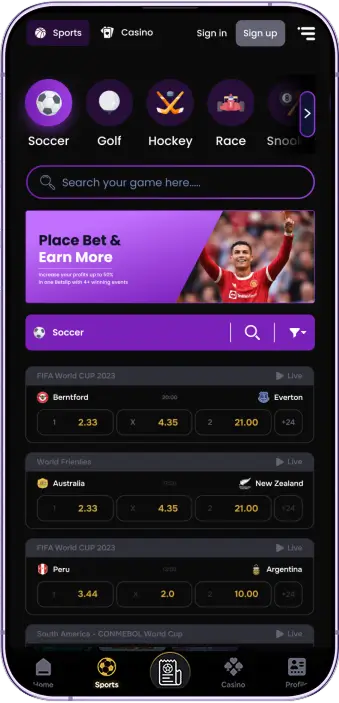
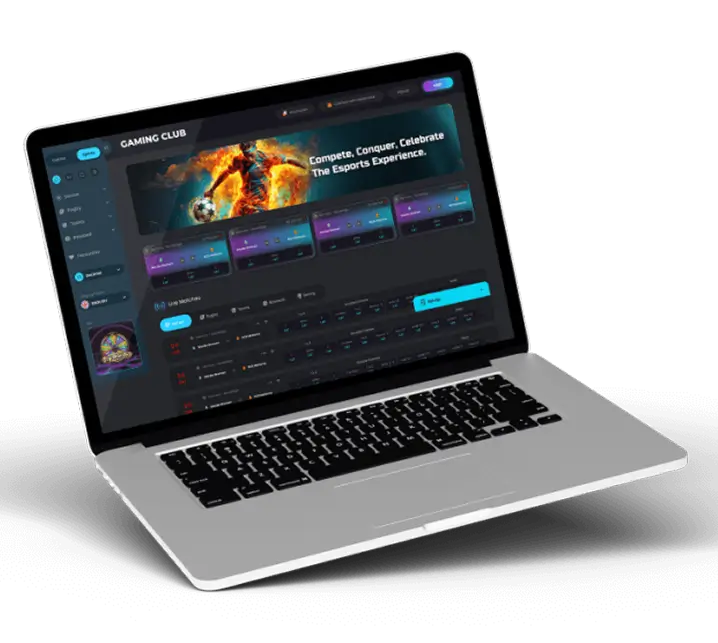
A ready-made sportsbook interface shown inside the operator website or app |
| How It Works |
The platform uses API endpoints for odds, events, bet placement, account actions, and settlement |
The operator adds an embed code, and the provider delivers the betting interface inside that page |
| User Interface |
The operator builds and controls the full user journey |
The provider controls most of the interface and betting flow |
| Brand Control |
Full control over design, bet slip, navigation, promotions, and player experience |
Limited control, usually limited to colors, logos, and basic display settings |
| Real-time Odds |
Supports real-time sportsbook data integration through live data feeds, often using WebSocket connections |
Shows live odds inside the embedded interface, with updates handled by the provider |
| Development Work |
Higher. Internal developers or sportsbook API integration services must build, test, and maintain the frontend connection |
Lower. The operator mainly configures and embeds the provider solution |
| Launch Speed |
Longer, because the operator builds the frontend and connects core systems |
Faster, because the provider interface is already built |
| Data Access |
Broader access to markets, odds, event data, bet data, and player journey data, subject to the provider agreement |
More limited access because much of the product runs inside the provider environment |
| Customization |
High. The operator can create custom markets, layouts, offers, and workflows where supported by the API |
Lower. Changes depend on the provider’s available settings and features |
| Platform Ownership |
The operator owns the frontend experience and controls how sportsbook functions fit into the wider product |
The provider hosts and manages the sportsbook interface |
| Risk & Trading Tools |
Can connect directly to the operator’s trading, CRM, wallet, and risk tools |
Usually relies more heavily on the provider’s standard trading and risk setup |
| Maintenance |
The operator maintains its frontend, integrations, error handling, and release process |
The provider maintains the embedded sportsbook product and its updates |
| Best Fit |
Operators that need long-term control, a unique betting experience, and deep system integration |
Operators that need a quick launch with lower development effort |
| Main Trade-off |
More flexibility and control, but greater technical cost and delivery time |
Faster setup and simpler operations, but less control over product design and data use |