Online gambling platforms collect some of the most sensitive data on the internet, names, payment details, identity documents, and full betting histories. A single breach doesn’t just expose thousands of players; it can trigger GDPR fines of up to €20 million, regulatory investigations, and irreversible reputational damage. Privacy in gambling is no longer a compliance checkbox, it’s a core business strategy. This guide breaks down the real threats operators face, the proven controls that mitigate them, and the exact steps to build a privacy-first platform that players trust and regulators approve.
The solution starts with privacy in gambling. Strong privacy controls reduce risk, protect users, and keep businesses safe. This guide explains real threats, smart controls, and clear strategies to manage privacy with confidence.
⚡ Quick Answer
Gambling platforms protect player privacy through 3 core defenses: SSL/TLS encryption across the entire platform, multi-factor authentication (MFA) with role-based access control, and secure, tokenized payment gateways. This matters because gambling platforms face 3 critical threats — identity theft/data breaches (averaging $4.4 million globally per incident), phishing/social engineering scams, and DDoS attacks — while operating under strict regulatory frameworks like GDPR (fines up to €20 million or 4% of global annual revenue) and CCPA. Beyond compliance, strong privacy controls directly drive business results: higher player trust and retention, lower churn, faster market expansion, and stronger regulator and payment partner confidence.
🔑 Key Takeaways
- 3 critical threats target gambling platforms: identity theft/data breaches (avg. $4.4M cost globally), phishing/social engineering, and DDoS attacks on server infrastructure.
- 3 proven defenses form the foundation: SSL/TLS encryption across the full platform (not just checkout), MFA with role-based access control, and tokenized/fraud-checked payment gateways.
- GDPR non-compliance is an existential risk, not a minor one: penalties reach €20 million or 4% of global annual revenue, whichever is higher, with CCPA and expanding APAC/LatAm frameworks adding further exposure.
- KYC and age verification serve dual purposes: they reduce fraud and prevent underage gambling while directly supporting regulatory compliance and platform trust.
- Privacy investment pays for itself commercially: it drives higher retention and lower churn, positive word-of-mouth growth, stronger regulator/partner confidence, and faster market expansion into new regions.
- Cross-border operations multiply compliance complexity: each market carries its own privacy rules, and a single weak link can expose the entire business across jurisdictions.
- Privacy is now a competitive differentiator, not just a compliance checkbox: platforms that treat privacy as a core business strategy build brand trust competitors struggle to replicate.
Why Gambling Privacy Is Non-Negotiable
Gambling platforms depend on data to operate. Player accounts, wallets, betting history, and verification records are all sensitive. If this data gets out, the damage will spread super fast.
You can’t skip out on privacy anymore. Players expect safety by default. Regulators demand it. Partners look for secure operations. Privacy in gambling protects more than data. It protects reputation and long-term growth.
Modern platforms operate across borders. This adds more responsibility. Each market has its own rules. A single weak link can impact the entire business. Strong privacy management helps operators stay competitive and compliant.
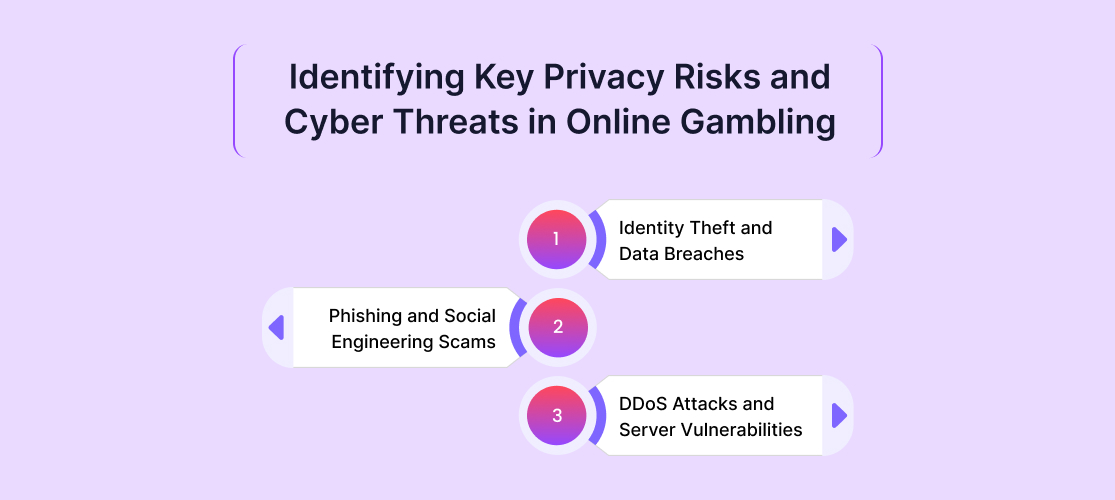
3 Critical Cyber Threats Targeting Online Gambling Platforms
Every online gambling platform faces threats. Knowing them early helps reduce losses. Let’s look at the most common risks tied to Online Gambling Data Protection.
Identity Theft and Data Breaches
Identity theft is one of the most damaging threats in online gambling. Hackers systematically target player records, IDs, home addresses, payment credentials, and betting histories. The average cost of a data breach globally now exceeds $4.4 million, and gambling platforms are prime targets due to the volume of verified, high-value personal data they hold. A single compromised database can expose thousands of users, trigger regulatory investigations, and permanently damage player trust.
Hackers steal information when companies use easy passwords or old systems. This stolen data causes big problems like cheating, lawsuits, and players no longer trusting the company.
Phishing and Social Engineering Scams
Phishing attacks trick users into sharing login details. Fake emails and messages look real. Players click links. Accounts get compromised.
Social engineering also targets staff. One wrong click can open access to internal systems. It’s really important to train people and make them aware so we can stop these attacks quickly.
DDoS Attacks and Server Vulnerabilities
DDoS attacks basically overwhelm servers with a ton of traffic. Platforms go offline. Bets fail. Payments stop.
Server weaknesses make things worse. If computer systems aren’t updated and websites aren’t hosted well, hackers can attack. Good computer setups and checking on them keep your data safe and running smoothly.
Readers Of This Blog Also Read

Virtual Sports Betting Website Checklist: Must Have Features Of Successful Virtual Sports Betting Software
August 13, 2025
The importance of user experience and customer engagement in driving revenue for B2B betting platforms
February 24, 20235 Tips to Get Started with Online Sports Betting Business
November 20, 20253 Proven Data Protection Methods Every Gambling Platform Needs
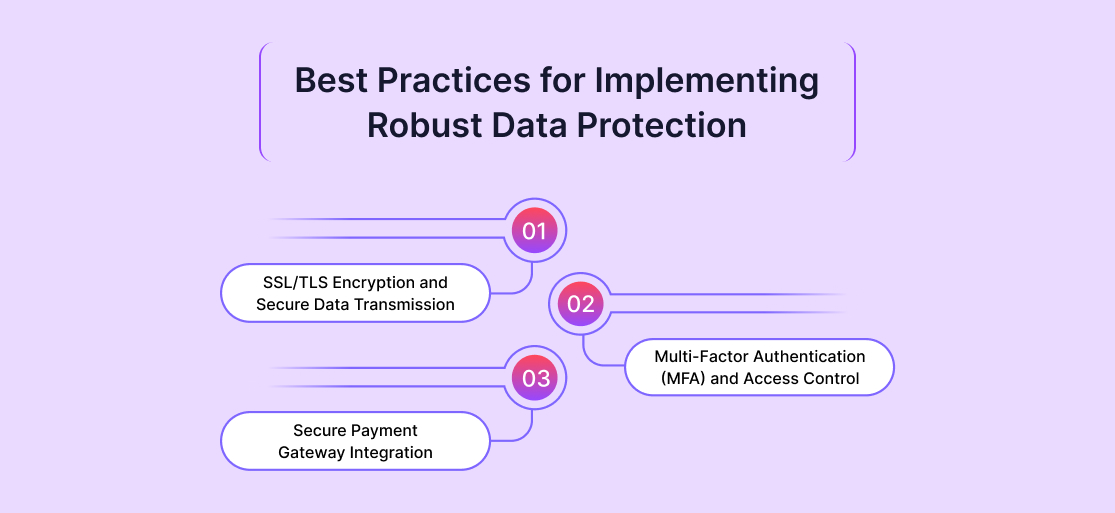
Strong privacy starts with smart systems. These practices are key to creating secure gambling platforms that players and regulators can really trust.
SSL/TLS Encryption and Secure Data Transmission
Encryption is like a secret code for your online information. SSL/TLS makes sure that when you send data to a website, it stays completely private and secure from prying eyes.
This keeps your info safe when you log in, pay, or update your account. Encryption should be active across the entire platform. Not just during checkout.
Multi-Factor Authentication (MFA) and Access Control
Adding Multi-Factor Authentication (MFA) is a good way to give your security an extra boost. Even if passwords leak, access stays blocked.
Access control limits who can view sensitive data. Staff should only access what they need. This reduces internal risks and supports online gambling data protection.
Secure Payment Gateway Integration
Payments are prime targets for attacks. Secure gateways reduce this risk.
Gambling companies keep your money safe by using special codes (tokenization) and checking for fraud. Your transactions are like secret messages, which also helps with tracking the money. A trusted payment system strengthens platform credibility.
GDPR, CCPA & Beyond: Gambling Privacy Laws You Can't Afford to Ignore
Gambling websites must follow privacy rules. If they don’t, they can get big fines or be shut down. Knowing these privacy rules is very important for the gambling industry.
Compliance with GDPR, CCPA, and International Standards
The General Data Protection Regulation (GDPR) sets the global benchmark for player data protection in Europe, with penalties reaching €20 million or 4% of global annual revenue, whichever is higher. The CCPA applies the same rigour in California, while equivalent frameworks are expanding across Asia-Pacific and Latin America. For gambling operators, non-compliance isn’t a minor risk, it’s an existential one. Every platform must document how player data is collected, stored, and shared, and must provide clear, accessible privacy controls to every user across all jurisdictions. Privacy in Gambling depends on clear policies and strong controls.
The Role of KYC and Age Verification in Regulatory Success
KYC verifies player identity. Age checks prevent underage gambling.
These steps reduce fraud and support iGaming compliance. Good KYC makes the platform safer and more secure. Special tools check your identity quickly without being annoying. It’s a win-win for everyone!
How Strong Gambling Privacy Drives Retention, Trust & Revenue
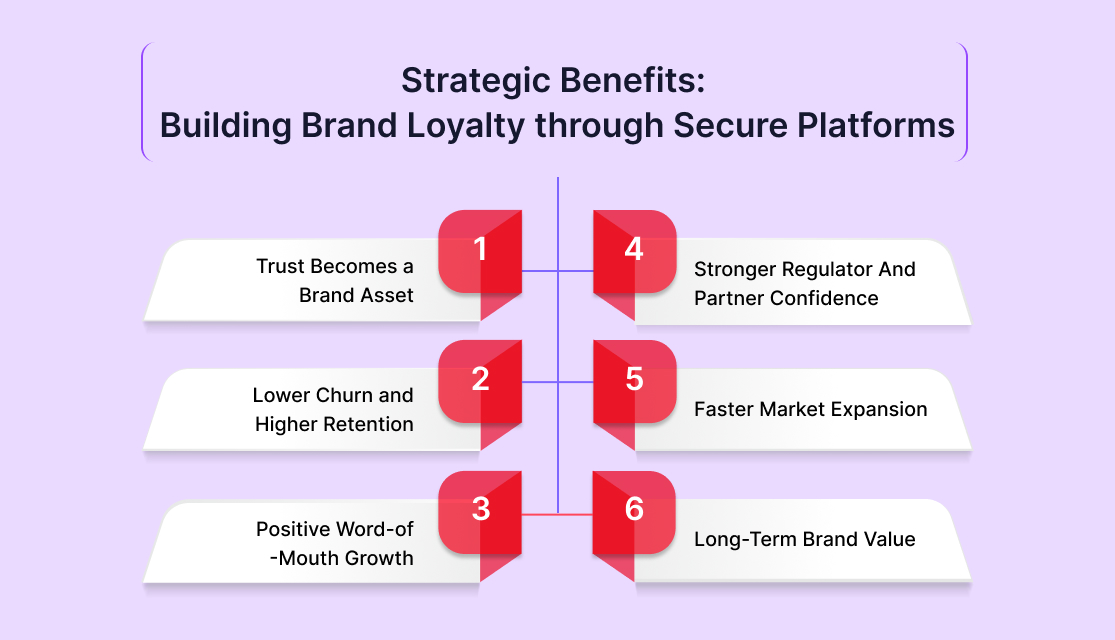
Trust Becomes a Brand Asset
Secure platforms protect player data at every stage. This builds confidence from the first signup. When users feel safe, they stick around longer. That trust means they keep coming back, which is great for steady revenue.
Lower Churn and Higher Retention
Players avoid platforms with security issues. Strong protection reduces account misuse and fraud. Fewer problems mean fewer complaints. This keeps users active and loyal over time.
Positive Word-of-Mouth Growth
Safe experiences encourage players to share feedback. Reviews improve naturally. A secure reputation attracts new users without heavy marketing spend.
Stronger Regulator And Partner Confidence
Secure systems show operational maturity. Regulators view compliant platforms as low risk. Payment providers and partners prefer working with reliable operators.
Faster Market Expansion
Built-in security supports quick entry into new regions. Compliance gaps are easier to close. Growth plans move faster with fewer roadblocks.
Long-Term Brand Value
Security investments protect more than data. They protect brand image. A strong, safe platform builds loyalty that competitors struggle to break.
Future-Proof Your iGaming Platform with Advanced Privacy Controls
Privacy threats will keep evolving. So must gambling platforms. Keeping things in check with solid controls, straightforward policies, and regular audits means businesses are always ready.
Keeping gambling private isn’t just to avoid trouble. It helps build trust, keeps players safe, and lets the business grow in a good way.
Gambling sites that seriously protect your private information and follow the rules will be the most successful. The best platforms are the ones that make privacy their top priority.
GammaStack Offers Secure Gambling Platforms for All Operators
GammaStack delivers ISO 27001-aligned gambling platforms trusted by operators across 45+ countries, backed by 14+ years of iGaming security expertise. Our platforms are built with airtight, layered data protection: end-to-end SSL/TLS encryption, role-based access controls, MFA, real-time fraud detection, and fully compliant KYC/AML integrations. Every solution is compliance-ready for GDPR, CCPA, and regional frameworks out of the box, so operators can enter new markets fast without costly privacy retrofits.
📌 Bottom Line
- Privacy failures cost far more than the fine — breached trust is difficult and expensive to rebuild in a market where players have countless platform alternatives.
- Building compliance and security in from day one is dramatically cheaper than retrofitting it after a breach or regulatory investigation forces the issue.
- GammaStack delivers ISO 27001-aligned platforms with SSL/TLS encryption, MFA, real-time fraud detection, and GDPR/CCPA-ready compliance built in from the start, letting operators enter new markets without costly privacy retrofits.
Frequently Asked Questions (FAQs) on Privacy in Gambling
1. What are the best ways to protect player privacy in online gambling?
Most operators ask how to keep user info safe from hacks and leaks. Best practice is strong encryption (like SSL/TLS), two-factor authentication, regular security audits, minimal data collection, and clear privacy policies. These steps build trust and cut the risk of breaches.
2. Why must gambling operators comply with privacy laws like GDPR and CCPA?
Operators ask this because regulations legally protect player data and set rules for consent, storage, sharing, and breach response. Complying avoids heavy fines, builds customer confidence, and ensures ethical handling of personal information across regions.
3. How do operators manage privacy risks like data sharing and tracking without consent?
Running gambling services means handling lots of data, but unauthorized tracking or sharing (like with 3rd party ads) can breach privacy rules. Operators should only use data with clear consent, keep tracking transparent, and show users how their info is used.
The Author


India
USA
Malta
Latvia
Let's Work Together. Win Together
Ready to transform your ideas into next-generation solutions? Drop us your details and we’ll get back to you within 48 hours!