
The global online lottery market is undergoing a seismic shift, with its value projected to grow from USD 12.1 billion in 2025 to USD 18.7 billion by 2034. This remarkable expansion is fueled by digital adoption, but for operators, it brings a critical challenge: choosing the right technological foundation to capitalize on this growth while navigating a complex landscape of security, compliance, and player expectations.
This blog will help you understand the essential features, market trends, and strategic considerations for selecting a modern online lottery management software platform that drives secure and scalable growth.
What Is Online Lottery Management Software?
At its core, online lottery software is the digital engine powering every aspect of a modern lottery operation. It’s the critical infrastructure that moves the lottery business from paper-based, manual processes to a seamless, secure, and engaging digital experience.
Definition and Core Purpose of Lottery Software Platforms
An online lottery software platform is an integrated system that manages the entire lottery lifecycle, from ticket creation and secure sales to random draw execution, winner validation, and payout processing. Its core purpose is to guarantee fairness, ensure operational integrity, and provide a frictionless user experience on a massive scale. For operators, this means replacing scattered tools and manual oversight with a unified, automated command center for their entire lottery business.
Market Growth and Emerging Trends in Online Lottery Software
The lottery software market is not just growing; it is rapidly evolving. Valued at an estimated USD 11.6 billion in 2026, the sector is being reshaped by several key trends.
- AI and Personalization: Beyond fraud detection, AI is now used to analyze player behavior, enabling personalized game recommendations and targeted marketing that boost engagement and retention.
- Automation: From automated ticket validation to instant, algorithm-driven payouts, automation is streamlining lottery operations, reducing costs, and minimizing human error.
- Omnichannel Lottery Systems: Players expect a unified experience. Modern platforms seamlessly connect online lottery platforms and self-service kiosks, allowing players to interact through their preferred channel without interruption.
Why Businesses Need Robust Online Lottery Software
Investing in a sophisticated platform is a strategic imperative for survival and growth in a competitive market.
Increased Accessibility and Global Lottery Reach
Digital platforms dissolve geographical barriers. A robust online lottery system allows operators to engage players beyond traditional retail footprints, tapping into new demographics and regions. The convenience of 24/7 access from any device has been a primary driver, with widespread internet penetration and smartphone usage making digital platforms the default for a new generation of players.
Automation, Engagement, and Operational Efficiency
Modern software automates the most resource-intensive tasks to draw management, prize claims, and regulatory reporting, freeing your team to focus on strategy and growth. Furthermore, integrated tools to enhance player engagement, such as loyalty programs, promotions, and real-time jackpot alerts, help build a dedicated player base and increase Lifetime Value (LTV).
Cost Optimization and Scalable Growth for Operators
A unified lottery management software platform consolidates IT spending and reduces the overhead associated with maintaining multiple legacy systems. Cloud-based solutions, in particular, offer scalable solutions, allowing operators to easily adjust capacity during peak sales periods or when entering new markets without major capital expenditure.
Core Features Every Online Lottery Software Must Have: 2026 Checklist
Choosing a platform requires a meticulous evaluation of its capabilities. Here is your essential checklist for 2026.
Essential Lottery Management Systems
Ticket Sales and Draw Management with RNG Certification
The system must support flexible ticket sales and, most critically, manage draws using a certified Random Number Generator (RNG). RNG certification from bodies like iTech Labs or GLI is non-negotiable, as it is the bedrock of player trust and regulatory compliance, proving that every draw is 100% random and fair.
Player Account Management (PAM) System
A comprehensive PAM is the single customer view for your operations. It should securely manage identities, transaction histories, and player preferences, forming the basis for responsible gaming controls and personalized marketing.
Wallet Management and Secure Payment Gateway Integration
A seamless financial hub is crucial. Look for support for diverse payment gateways, e-wallets, for multiple fiat currencies, and even cryptocurrencies to meet global player preferences. Secure transactions and real-time balance updates are mandatory.
Security and Compliance Capabilities
KYC, AML, and Geo-Location Compliance
Automated tools to verify player identity with KYC modules, monitor for money laundering with Anti Money Laundering (AML) systems, and enforce location-based restrictions are essential to meet regulatory requirements across different jurisdictions.
Multi-Factor Authentication (MFA) and Fraud Detection
Protect admin and player accounts with MFA. More importantly, the platform should employ advanced AI-powered fraud detection to identify suspicious patterns such as irregular ticket purchase spikes or insider threat behavior in real-time.
Regulatory Reporting, Audits, and Data Protection
Automated generation of audit trails and compliance reports saves immense time and reduces risk. The platform must also adhere to global data protection standards (like GDPR), ensuring all player data is encrypted and managed responsibly.
Player Experience and User Engagement Features
Mobile Compatibility and Responsive User Interface
With mobile driving growth, a flawless, responsive user interface that works on any smartphone or tablet is critical for capturing and retaining players.
Real-Time Results, Notifications, and Alerts
Push notifications for draw results, jackpot alerts, and personalized promotions keep your brand at the top of players’ minds and enhance the gaming experience.
Referral Systems, Loyalty Programs, and Retention Tools
Built-in marketing tools that reward players for their loyalty and for bringing in new users are key to cost-effective customer acquisition and reducing churn.
Advanced and Growth-Driven Features
AI-Powered Personalization and Predictive Analytics
Use AI-driven insights to analyze player data, predict churn, and deliver hyper-relevant game suggestions and bonus offers.
Marketing Automation and Campaign Management
Execute sophisticated, multi-channel marketing campaigns directly from the platform’s dashboard, from email sequences to targeted promo offers.
Multi-Device and Omnichannel Adaptability
Ensure the player journey is consistent whether they are on a mobile app, desktop website, or at a retail terminal, with synchronized accounts and multi-channel support.
Popular Game Types Supported by Online Lottery Software
A versatile platform should support a wide array of game formats to cater to diverse player preferences and regional tastes.
| Game Type | Description | Key Examples & Notes | Why It Matters for Operators |
| Traditional Lottery Games | The classic lottery format, where players select numbers for a scheduled draw. | Powerball, EuroMillions, Mega Millions. Platforms must support large number pools, complex prize tiers, and rollover jackpots. | Drives spikes in traffic and revenue. |
| Instant Win Games and Scratch Card Lotteries | Digital versions of scratch cards with immediate results. Provides instant gratification. | A crucial driver of engagement, software must manage thousands of unique virtual ticket outcomes securely and instantly. | Improves daily engagement and margins. |
| Regional and Custom Lottery Formats | Games tailored to local regulations, cultural preferences, or unique operator branding. | May include number games, quiz-based lotteries, or fast-draw games. Flexibility for operators to create unique game rules is a key differentiator. | Enables market fit across jurisdictions. |
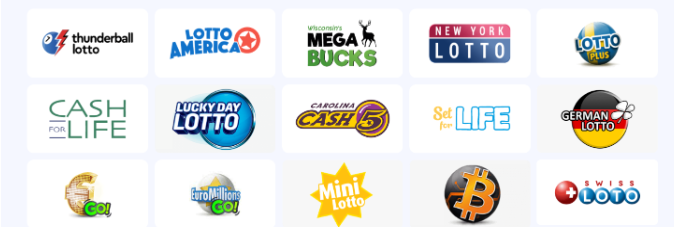
Popular Online Lottery Games to Have in Your Lottery Software
Variations of Online Lottery Software Platforms
Understanding the different development and deployment models is crucial for making the right investment.
White Label vs Custom Lottery Software Development
| White Label Lottery Software Development | Custom Lottery Software Development |
| Fast deployment | Longer development cycle |
| Lower upfront cost | Higher upfront cost |
| Limited UI/UX and feature flexibility | Full control over features, UX, and workflows |
| Best for operators testing a new lottery business or entering new markets | Best for established operators seeking differentiation and a competitive edge |
Global Lottery Platforms vs Region-Specific Solutions
| Global Lottery Platforms | Region-Specific Solutions |
| Multi-country and cross-border support | Single country or state-level focus |
| Broad compliance frameworks | Deep compliance with local laws |
| Generic localization options | Fully localized language, currency, and tax rules |
| Ideal for operators targeting multiple jurisdictions | Ideal for operators working under strict local regulations |
Mobile Apps, Retail POS, and Kiosk Integration
The best platforms offer a unified backend that powers not just web and mobile apps, but also integrates seamlessly with physical retail networks through Point-of-Sale (POS) systems and self-service kiosks, creating a true omnichannel experience.
Readers Of This Blog Also Read



How to Choose the Right Lottery Software Development Company
Selecting a technology partner is as important as selecting the software itself.
Technical Evaluation Checklist
Assess the platform’s security architecture, its ability to scale during peak traffic, and its historical uptime and performance metrics.
Compliance, Licensing, and RNG Certification Standards
Verify the provider’s RNG certification and their experience in delivering solutions that meet the licensing requirements in your target markets. They should be a guide through the complex regulatory landscape.
Post-Launch Support, Upgrades, and Long-Term Partnership
Ensure they offer robust technical support, regular software updates for security and new features, and a partnership model that supports your evolution over 5-10 years, not just the initial launch.
GammaStack: Providing Advanced and Unparalleled Online Lottery Software Development
GammaStack is one of the best online lottery software providers, offering the best lottery program, utilising cutting-edge technology to deliver the best lottery solutions for your business. If you desire a feature-rich, advanced, and unique online lottery software development solution for your online lottery business, then you should definitely count on GammaStack and get state-of-the-art and futuristic lottery software as per your business requirements. They offer different variations of online lottery software development, including global lottery software, custom lottery software, lottery mobile app development, white-label lottery software, and much more.
Frequently Asked Questions About Online Lottery Software
What features should online lottery management software include?
Essential features include certified draw management (RNG), a secure Player Account Management (PAM) system, KYC/AML compliance tools, fraud prevention, multi-channel support, marketing automation, and a mobile-first user interface. Advanced platforms offer AI-driven insights and omnichannel retail integration.
Is RNG certification mandatory for lottery software platforms?
Yes. RNG certification from an accredited testing lab is a fundamental regulatory requirement in all jurisdictions. It is the objective proof that your games are fair and random, which is essential to ensure transparency and to obtain an operator’s license and build player trust.
How much does online lottery software development cost?
Costs vary significantly based on scope. A white-label solution offers a lower entry point, while a custom-developed platform with unique features and complex integrations is a larger investment. The key is to view it as a strategic capital expenditure that drives revenue, optimizes operations, and provides a scalable foundation for future growth.
What compliance standards must online lottery systems follow?
Online lottery systems must adhere to a complex web of local and international standards, including data protection, anti-money laundering (AML) directives, responsible gambling protocols, and geo-location compliance. A reputable software provider will have deep experience navigating these requirements for your target markets.