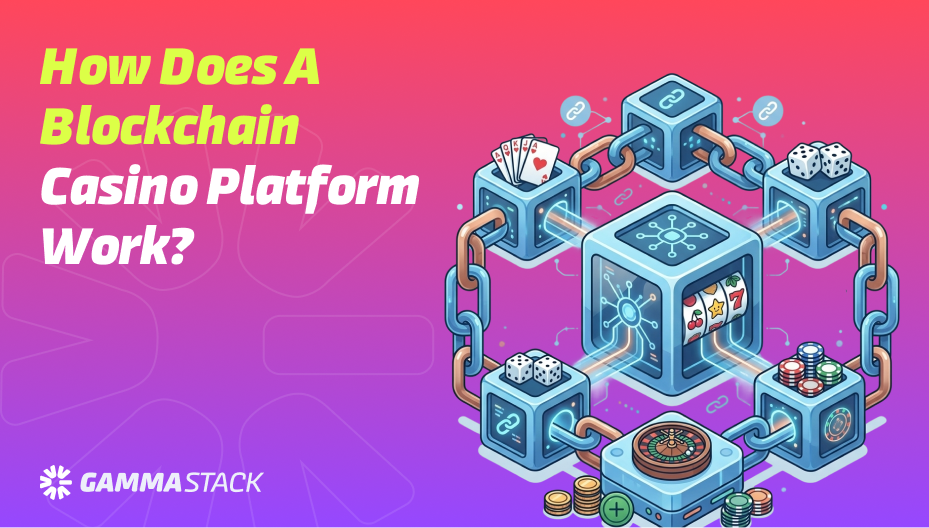
Every time a player waits too long for a payout or faces a failed transaction, you risk losing them. Attracting players is one thing, but keeping them is the real challenge for today’s casino operators. Slow payments, high fees, fraud concerns, and compliance hurdles can quickly create friction.
Blockchain-based casino platforms offer a solution to these issues. They enable faster payouts, lower costs, and greater transparency through smart contracts. With less reliance on traditional banks, disputes are reduced, and players can verify game outcomes, building trust.
On top of that, automation cuts down manual work and errors, making operations smoother. If you want better efficiency and long-term player retention, blockchain casinos are worth considering.
Quick Stats
According to Markets and Markets, The global blockchain gaming market, which was valued at $4.6 billion in 2022, is projected to reach $65.7 billion by 2027.
Operators who enter the market now have a unique opportunity to capture early adopters and establish a reputation before the space becomes highly competitive.
What is a Blockchain Casino Platform?
It is a decentralized casino platform that runs on blockchain technology instead of traditional centralized systems. It allows players to play casino games, place bets, and handle transactions using digital currencies, while the entire process is recorded on a secure and transparent network. Instead of relying on a single operator to manage everything, the platform uses decentralized technology to execute and track activities.
- Built on a blockchain network where all data is recorded in a shared digital ledger.
- Uses cryptocurrencies for deposits, bets, and payouts.
- Runs on smart contracts that automatically execute game logic and transactions.
- Records every bet and outcome on the blockchain for transparency.
- Uses cryptographic methods to ensure data security and integrity.
- Eliminates the need for a central authority to control operations.
- Allows players to interact directly with the platform through digital wallets.
Real-world blockchain casino examples: Popular platforms like Stake.com, BC.Game and TrustDice are already leveraging blockchain technology. These casinos allow players to use cryptocurrencies, offer provably fair games, transparent transactions, and fast payouts, showcasing how decentralized platforms are transforming online gambling.
How does Blockchain Casino Work?
A blockchain casino works by using blockchain technology and smart contracts to manage the entire gaming process from placing bets to generating results and paying out winnings. Instead of relying on a central system, all activities are executed and recorded on a decentralized network, making the process transparent and automated.
- The player connects a digital wallet to access the platform.
- Funds are deposited in cryptocurrency and transferred to the system.
- When a bet is placed, the wagered amount is locked within a smart contract.
- The game outcome is generated using cryptographic or provably fair mechanisms.
- The result is recorded on the blockchain, ensuring it cannot be altered.
- The smart contract automatically calculates the outcome and determines payouts.
- Winnings, if any, are transferred directly back to the player’s wallet.
- All transactions and game activities are permanently stored on the blockchain for verification.
Key Features of Blockchain Casinos
Blockchain casinos are defined by a set of core features that differentiate them from traditional online gambling platforms. These features are built into the technology itself, enabling more transparent, automated, and secure operations.
Decentralized Infrastructure
Operates on distributed networks instead of a single central server, reducing dependency on one controlling entity.
Smart Contract Automation
Uses programmed contracts to handle bets automatically, game logic, and payouts without manual intervention.
Provably Fair Casino Games
Game outcomes are generated using verifiable algorithms, allowing players to check fairness independently.
Cryptocurrency Transactions
Supports digital currencies for deposits, wagers, and withdrawals, eliminating reliance on traditional banking systems.
Transparent Record Keeping
All transactions and game results are recorded on the blockchain, making them traceable and immutable.
Wallet-Based Access
Players interact with the platform through digital wallets instead of creating traditional accounts.
How Blockchain Casinos Process Transactions?
Blockchain casinos handle transactions through a structured, automated flow powered by smart contracts and blockchain networks. Every step from deposits to payouts is executed digitally and recorded on-chain, ensuring accuracy and traceability.
Wallet Connection
The player connects a digital wallet to the platform to initiate transactions.
Deposit Process
Funds are transferred in cryptocurrency from the player’s wallet to the platform’s smart contract.
Transaction Verification
The blockchain network validates and confirms the transaction before it is recorded.
Bet Placement
When a player places a bet, the wagered amount is locked within the smart contract.
Game Execution
The game runs using predefined logic, and outcomes are generated through cryptographic methods.
Result Recording
The outcome of the game is stored on the blockchain, ensuring it cannot be modified.
Payout Calculation
The smart contract automatically determines winnings based on the result.
Withdrawal Process
If the player wins, the payout is transferred directly to their wallet without manual approval.
Permanent Record
All transactions remain stored on the blockchain for auditing and verification.
Introduction to NFT Casino Development
NFT casino development involves bringing non-fungible tokens (NFTs) into blockchain-based casino platforms to introduce unique digital assets within the gaming experience.
Unlike regular in-game items, NFTs exist on the blockchain and give players clear ownership, making them unique, transferable, and usable across different parts of the platform. This adds a new layer to the casino environment, where players are not just placing bets but also interacting with and owning digital assets, making the overall experience more engaging and dynamic.
- Involves creating and integrating NFTs as part of the casino platform.
- NFTs represent unique digital assets such as game items, avatars, or access passes.
- Built using blockchain standards like ERC-721 or ERC-1155.
- NFTs are stored on-chain, ensuring ownership and authenticity.
- Can be integrated into games as usable or interactive elements.
- Enables trading or transferring assets through marketplaces.
- Connects gaming with digital ownership within the casino environment.
Advantages of Blockchain Online Casino Software
Blockchain-based casino software introduces a more structured and efficient way to manage operations compared to traditional systems. By leveraging decentralized technology, crypto casino platforms streamline processes and reduce common operational challenges.
Faster Transactions
Deposits and withdrawals are processed quickly without relying on banking systems.
Lower Operational Costs
Eliminates intermediaries like payment processors, reducing transaction fees.
Improved Transparency
All transactions and game outcomes are recorded and can be verified when required.
Automated Processes
Smart contracts handle bets and payouts, minimizing manual intervention.
Reduced Disputes:
Clear and verifiable records help avoid conflicts between players and operators.
Global Accessibility
Supports users from multiple regions without traditional payment limitations.
Enhanced Security
Uses cryptographic systems to protect funds and transaction data.
Better Operational Efficiency
Streamlined workflows improve overall platform performance and management.
Challenges and Risks in Blockchain Casinos
Although blockchain casinos bring innovation and transparency, they also face several challenges that can impact long-term growth.
Regulatory Challenges
One of the biggest issues is the absence of well-defined regulations. Many decentralized casino platforms operate across multiple jurisdictions, often without clear licensing frameworks, which creates legal uncertainty and potential risks such as penalties or shutdowns.
Additionally, strict AML (Anti-Money Laundering) and KYC (Know Your Customer) requirements conflict with the anonymity typically associated with a crypto casino platform, increasing compliance costs and operational complexity.
Security Risks
While the blockchain itself is secure, decentralized gambling platforms are still vulnerable to cyber threats. Hackers often target wallets, smart contracts, and platform infrastructure.
Other threats, such as DDoS attacks, phishing scams, and ransomware attacks, remain common, especially given the high-value nature of crypto transactions.
Volatility and User Concerns
Cryptocurrency price fluctuations can directly affect player funds. The value of winnings may decrease, or losses may increase, between the time of deposit and withdrawal.
Moreover, many DeFi casino platforms lack robust responsible gambling features. Due to decentralization, tools like self-exclusion and spending limits are often limited, raising concerns about user protection.
Technical and Adoption Barriers
Scalability remains a concern for some blockchain casinos, as network congestion can lead to delayed transactions and increased fees during peak periods.
On top of that, the technical learning curve, such as setting up wallets and managing private keys, can discourage non-technical users, slowing mainstream adoption.
Future of Decentralized Gambling Platforms
Mass Adoption Through Enhanced User Experience
Blockchain casinos can be tricky for new users because of wallet setup, gas fees, and crypto management. However, future platforms will make it easier with simple sign-ups, options to pay with regular money, and mobile-friendly interfaces.
Cross-Chain Interoperability
Most casinos today work on just one blockchain. Future platforms will let players use their assets across multiple blockchains, making games more flexible and attracting more users.
AI Integration
AI will help improve gaming by offering personalized experiences, calculating dynamic odds, detecting fraud, monitoring responsible gambling, and providing automated support.
NFT and Metaverse Integration
Players will be able to gamble in virtual worlds, use NFT assets across platforms, and even own virtual properties, creating more immersive gaming experiences.
Decentralized Autonomous Organizations (DAOs)
Future casinos may be run by the community using DAOs, where token holders vote on rules, fees, games, and policies, removing centralized control entirely and giving the community ownership of the platform.
Regulatory Evolution
Governments are creating clearer rules for blockchain gambling. Future platforms will include tools for ID checks, geofencing, and automated tax reporting while staying decentralized.
Layer 2 Scaling Solutions
High fees and slow transactions are a problem now. Layer 2 solutions will make deposits, bets, and withdrawals faster and cheaper.
Tokenized Loyalty and Reward Systems
Instead of traditional points, players will earn blockchain tokens that hold real value, can be traded, and work across multiple platforms.
Responsible Gambling Through Blockchain
On-chain tools will let players set limits, self-exclude, and monitor gambling habits. These protections cannot be overridden, making them stronger than in traditional casinos.
Partner with GammaStack for Your Blockchain Casino Development
Looking to build a secure and scalable blockchain casino platform? GammaStack is your trusted partner in blockchain casino software development, serving clients in 45+ countries with over 14 years of industry experience. Our team specializes in creating fully decentralized casino platforms, smart contract casinos, and crypto casino platforms that are fast, transparent, and provably fair. We combine cutting-edge technology with user-friendly interfaces to ensure seamless onboarding for players worldwide. From NFT casino development to Ethereum and Bitcoin casino solutions, GammaStack delivers tailored platforms that meet global standards and help you launch a successful decentralized gambling venture.
Frequently Asked Questions
How does a blockchain casino work for operators?
Operators deploy smart contracts to automate bets, game outcomes, and payouts. All activity is recorded on-chain, reducing disputes, manual work, and the need for intermediaries.
How is blockchain casino development different from traditional casino development?
It involves smart contract integration, wallet-based access, cryptocurrency payments, and immutable record-keeping, unlike centralized platforms.
What is a smart contract casino?
A smart contract casino automates all processes including bet locking, outcome generation, and payout distribution, ensuring accuracy and eliminating manual intervention.
How do provably fair casinos benefit operators?
Provably fair mechanisms allow players to verify game results independently, reducing complaints and boosting credibility for the platform.
How does Ethereum casino platform development work?
Ethereum casinos leverage the Ethereum blockchain for smart contracts, token integration, and NFT assets, enabling secure, transparent, and decentralized gaming.
What is Bitcoin casino software?
It is specialized software that allows operators to run casinos accepting Bitcoin, integrating wallet payments, smart contracts, and provably fair gaming.
Can operators integrate AI into blockchain casinos?
Yes, AI can help with personalized gaming, fraud detection, odds calculation, responsible gambling tools, and automated customer support.
Why partner with GammaStack for blockchain casino development?
GammaStack offers end-to-end blockchain casino solutions, including smart contract casinos, NFT integration, Ethereum & Bitcoin casino software, and secure decentralized platforms, helping operators launch compliant, scalable, and provably fair platforms globally.
The Author